Future classes

Changing the way we educate kids
“If we want our kids to find a job and do something meaningful with their lives we need to start having a serious conversation about our educational priorities and how they translate into a curriculum that matches the skills actually required to succeed in the real world,” wrote American-born digital entrepreneur Joanna Shields, in a recent article published in the London Evening Standard.
As a parent herself, Facebook’s former Vice President and Managing Director for Europe, and the current CEO and Chair of London’s Tech City, believes children will benefit from being able to create the products and services of the future by learning how to code.

“Learning to code isn’t about turning all our kids into programmers….It’s about teaching them the building blocks of how to create new tools, new products and services… It’s about understanding how the future will work.” – Joanna Shields
Coding is becoming the universal language that underlies the way the digital world works; and with the rise of big data and new algorithms that can make sense of large amounts of information, many traditional jobs are at risk of being replaced by machine intelligence in the next decade. Changing the way we educate kids must become a top priority for western nations.
Ms Shields, an ambassador for digital technologies, was recently involved in the launch of a Code.org programme called the “Hour of Code”, led by entrepreneur Avid Larizadeh, which aims to demystify code for kids in a fun and accessible way. In just three weeks 2.3 million people in Britain completed the Hour of Code.
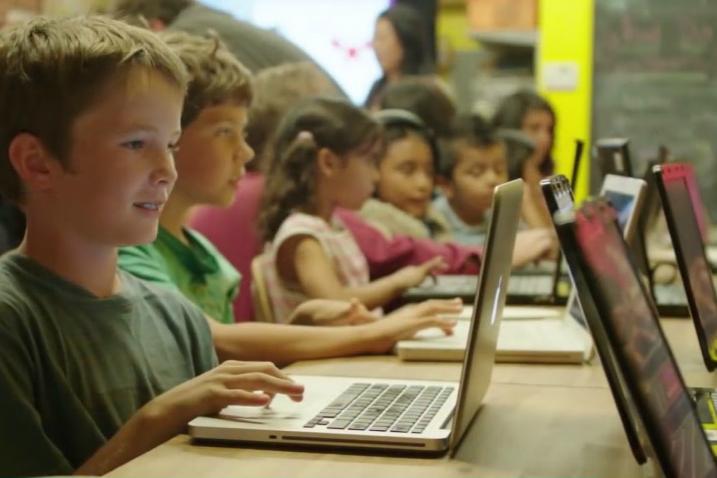
Companies like Microsoft and Intel are also launching initiatives that will help to reinvent the classroom, and enable teachers to bring their subjects to life. But it’s schools in Asia that are ahead of the game. They have understood the important role that data science and new technology will play in finding creative solutions to some of our biggest problems.
China, Japan, Singapore and South Korea for example, are replacing paper in schools with iPad and other tablet technology. This is facilitating an explosion in the use of app-based software in the classroom, which can be tailored for specific learning needs and situations.
The UK is currently only one of two G8 nations to add coding to the curriculum for all British students starting in September 2014. Only Estonia has an equivalent programme. Clearly more needs to be done.

No comments:
Post a Comment